
-
The Great Replacement Theory: Demography, Conspiracy, and Racism
Introduction Introduction This report examines the Great Replacement Theory (GRT) as both a demographic claim and a conspiratorial, racialized narrative. First, it reviews what population data actually show, contrasting normal processes of migration, fertility, and identity with the theory’s talk of “replacement.” Next, it analyzes how GRT assembles a coherent‑seeming… Listen ⇢

-
Alien Abduction Playlist Top 10
10. “Alien Girl (Today W/Her)” — Kendrick Lamar Kendrick uses “alien” as a metaphor for an alluring, hard-to-read woman who feels “otherworldly”—someone he can’t fully decode or reach emotionally. The lyrics frame her as fascinating but distant, emphasizing the gap between his desire and her unknowability. In that sense, “alien”… Listen ⇢

-
Beyond the Myths: The Real Impact of Undocumented Immigrants in the United States
Introduction Public debate about undocumented immigration is dominated by a few powerful claims: that undocumented workers steal jobs, drain public coffers, and drive crime. This report tests those assumptions against the best available evidence from economics, demography, criminology, and public policy. It first examines undocumented immigrants’ role in labor markets… Listen ⇢

-
“Open Border” or Managed Constraint? Biden-Era Immigration in Perspective
Introduction This report evaluates whether U.S. border policy under the Biden administration can accurately be described as “open,” and how policy changes interacted with the sharp rise in recorded encounters. It first examines the new architecture of “lawful, safe, and orderly” pathways—CBP One, regional processing centers, and large-scale parole—alongside rules… Listen ⇢

-
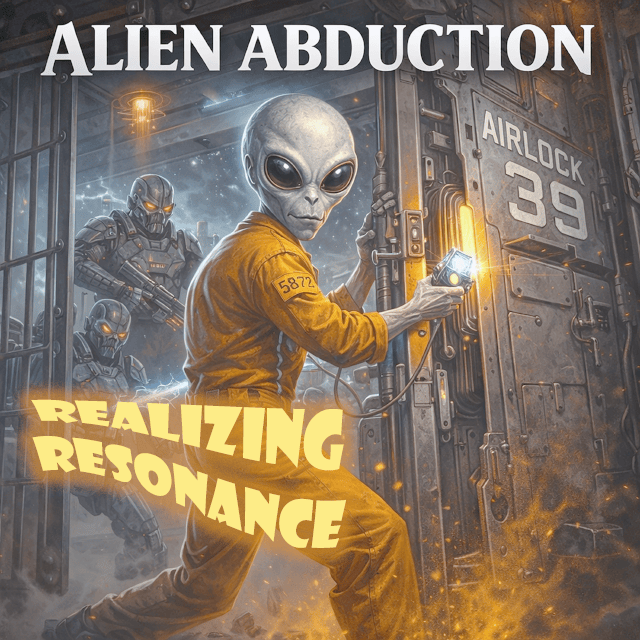
AI Lyric Analysis: “Alien Abduction” by Realizing Resonance
This lyric uses a sci‑fi “alien abduction” story as a metaphor for very human political realities—especially immigration, detention, and the treatment of marginalized people. Here’s a breakdown: 1. Surface narrative On the literal level, the song describes a classic alien abduction: “Abducted in the dead of the night / I… Listen ⇢
-
“Fit Instrument to Begin the Wilderness Work”: John Endecott and the World He Entered
Introduction In 1628, Captain John Endecott’s voyage on the Abigail helped transform a fragile New England outpost into the chartered core of Massachusetts Bay. This report traces that transformation and challenges the myth of an empty “wilderness.” First, it reconstructs Endecott’s immigration as a corporate‑backed Puritan venture, not a lone… Listen ⇢

-
Spirit of ’76 Theme for October: Immigration
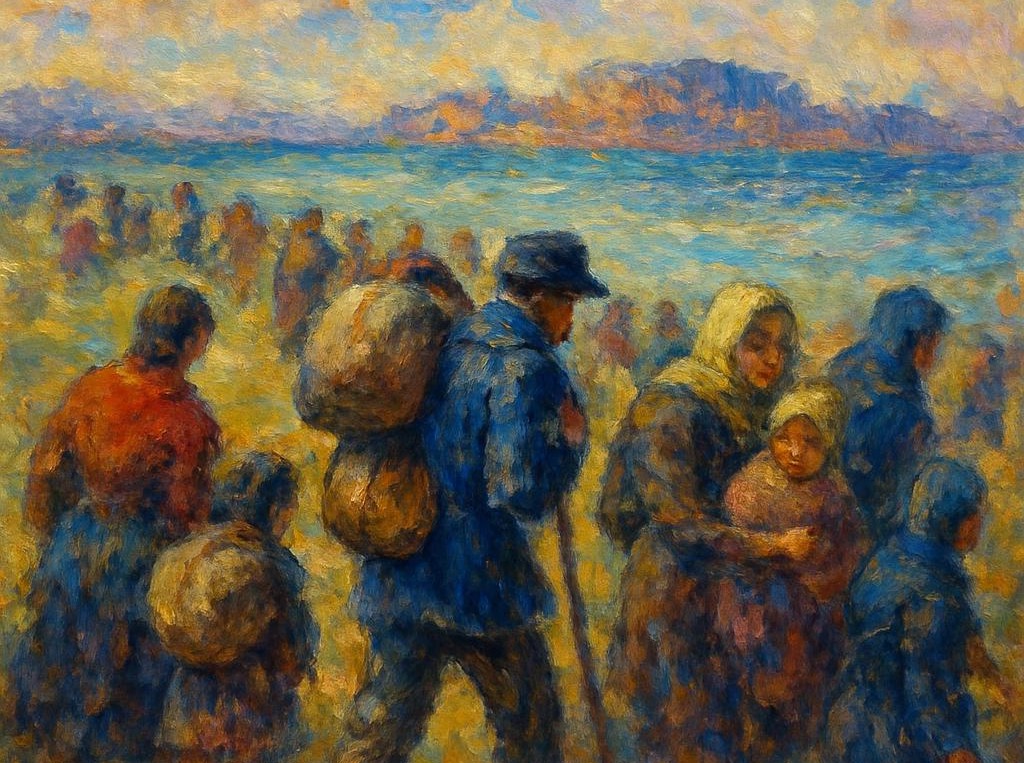
It is October 2026 and for this month the Spirit of ‘76 theme is Immigration. We have covered Stoicism, History, Religion, War, Tyranny, Liberty, Future, Ethics, and Justice, so now we will consider Immigration. This has been a big and controversial topic for America and the world for some years… Listen ⇢
-
“Agents of Chaos and Cruelty”: ICE, CBP, and the Meaning of Justice in Trump’s Second Term
Introduction This report examines whether immigration enforcement under President Trump’s second term can plausibly be described as “about justice,” or whether it has become something more corrosive to the rule of law and democratic norms. Drawing on civil-rights documentation, legal analysis, and new empirical research, we trace the shift from… Listen ⇢

-
Authoritarian Aesthetic Playlist Top 10
“Women in Uniform” — Iron Maiden (Skyhooks cover)A cheeky, militarized fantasy that treats the uniform itself as an erotic aesthetic—authority becomes alluring because it’s authority in costume. The lyrics fixate on how clothing (specifically military/police-style dress) produces desire and a sense of command. Fashion/aesthetics angle: the uniform as fetish object—style… Listen ⇢

-
Subscribe
Subscribed
Have a WordPress.com account? Log in now.

